Solar Panel Fires Rise as Rooftop Solar Expands
The rapid growth of rooftop solar has been creating a new challenge for fire safety professionals, with concerns around installation quality, ageing components and the risks posed by live electrical systems.
Across the world, solar installations are increasing as governments, businesses and households look to expand renewable energy generation. But as more panels are installed on buildings, fire and rescue services are also having to consider the additional risks they can create.
Australia provides a useful example. Rooftop solar has expanded rapidly, with millions of systems now installed across homes and businesses. Fire and Rescue NSW has previously reported a significant increase in solar-related fires, while regulators have raised concerns about poorly installed systems and faulty components.
Installation quality as a key concern
Solar panels themselves are not necessarily the main source of fire risk. Components such as DC isolators, connectors, cabling and inverters can create problems when they are poorly installed, damaged or exposed to harsh conditions.
Loose connections and faulty wiring can lead to arcing and overheating, potentially igniting surrounding materials.
Extreme weather can add another layer of risk. High temperatures, storms, hail and flooding can all place additional pressure on solar equipment, making regular inspection and maintenance increasingly important.
A challenge for firefighters
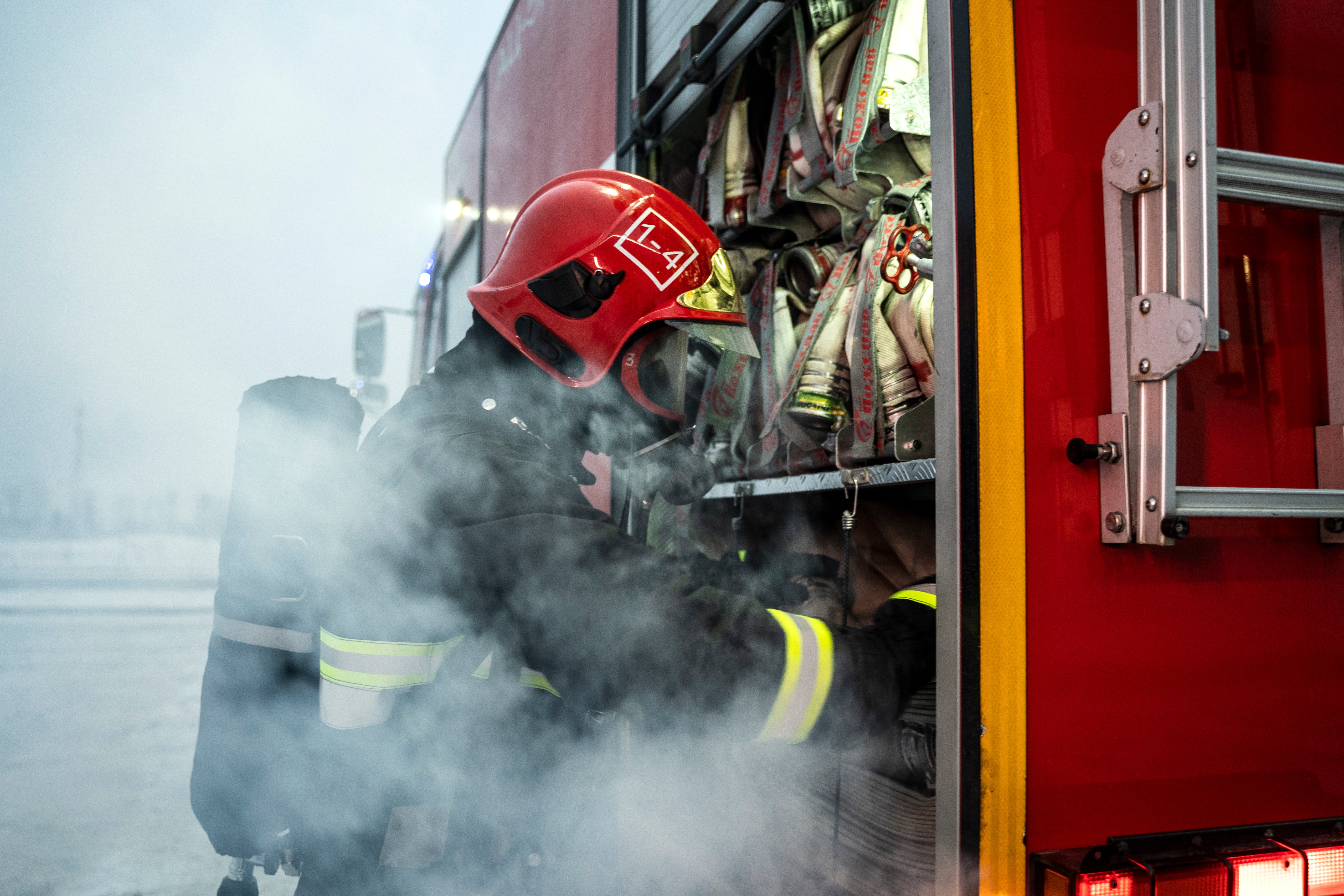
Solar installations can also create specific challenges when a building catches fire.
Photovoltaic panels can continue generating electricity when exposed to light, even after a building's mains electricity has been isolated. This creates additional electrical hazards for firefighters accessing roofs or working around damaged systems.
The position of panels can also affect firefighting operations. Large rooftop arrays can restrict access and create additional hazards when crews are working at height.
Battery storage brings further considerations. As solar systems are increasingly paired with lithium-ion batteries, fire services also need to understand the risks associated with thermal runaway and fires that can be difficult to control.
Learning from the growth of solar
The experience of markets such as Australia highlights an important lesson for the wider solar industry, in that rapid growth needs to be matched by effective fire safety measures.
Using qualified installers, selecting suitable components and carrying out regular inspections can help identify faults before they develop into serious fire risks.
For building owners and fire services, understanding what is installed on a roof is equally important. Clear information about panel layouts, isolation points, battery locations and access routes can help firefighters make safer decisions during an emergency.
As solar continues to become a bigger part of the energy mix, fire safety needs to remain part of the conversation - from the design and installation of systems through to their maintenance and eventual replacement.
Register for The Fire Safety Event Australia 2026 | MCEC Melbourne | 25-26 November 2026: The Fire Safety Event Australia.
Register your Interest for the Fire Safety Event Europe 2027 | NEC Birmingham | 27-29 April 2027: The Fire Safety Event Europe.
Subscribe to Fire Safety Digital for monthly updates.