King’s Speech 2026: The Proposed Remediation Bill
The Government has confirmed plans to introduce a new Remediation Bill as part of the King’s Speech 2026, reinforcing its ongoing response to unsafe cladding and wider building safety failures across England.
The King’s Speech 2026 confirmed that the Government will introduce a new Remediation Bill aimed at speeding up the removal of unsafe cladding and improving the pace of building safety remediation across England. The announcement also included a separate draft Bill on conversion practices. However, the Remediation Bill is expected to be the more significant measure for the built environment and fire safety sector, as it directly targets long-standing delays in making residential buildings safe.
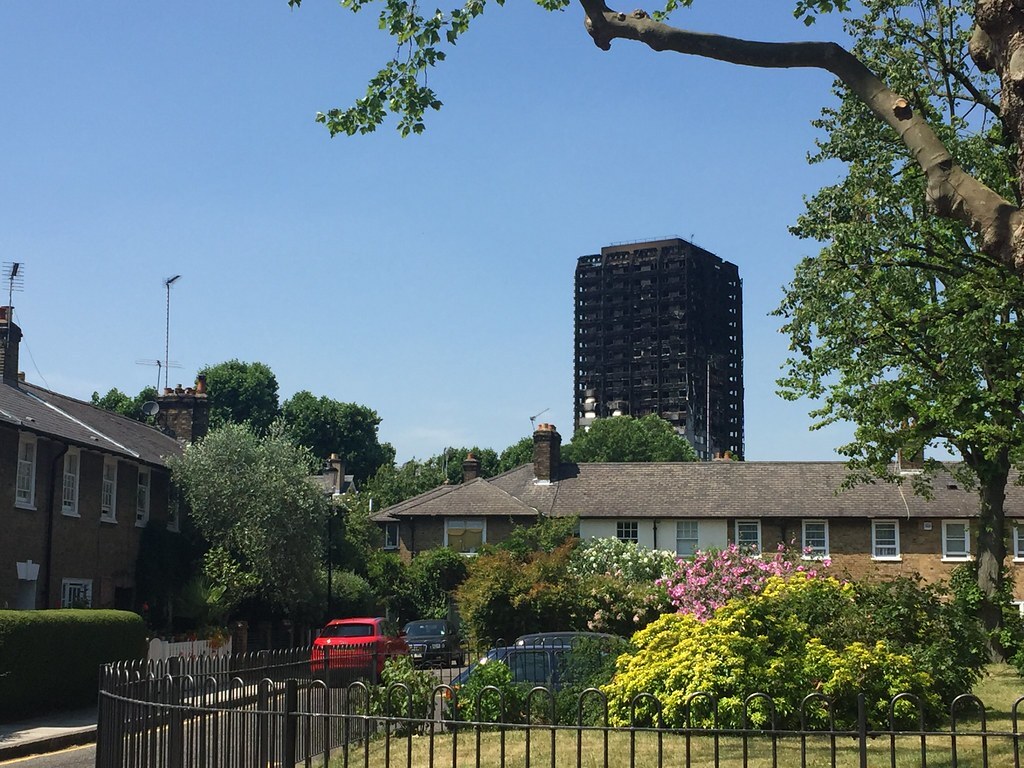
Nearly a decade on from the Grenfell Tower tragedy, thousands of residents are still living in buildings affected by unsafe external wall systems. Despite ongoing programmes and funding commitments, remediation has progressed unevenly, with many cases delayed by disputes over responsibility, technical assessments, and funding arrangements.
Strengthening accountability and accelerating delivery
A key focus of the proposed legislation is to strengthen accountability across the construction and property sectors. The Bill is expected to introduce a clearer legal duty on those responsible for buildings to identify and remediate life-safety risks without delay. This includes stronger enforcement measures, with the potential for significant penalties where duties are not met.
It is also expected to make it easier for those who have already paid for remediation works to recover costs from construction product manufacturers if materials are found to be defective. This marks a continued shift toward placing greater financial responsibility on the wider construction supply chain.
To improve consistency in how risks are assessed, the Bill proposes making PAS 9980 the standard method for evaluating external wall fire risk. It also plans to introduce a new register of residential buildings between 11 and 18 metres, along with stronger regulatory powers to require action where remediation has stalled. A proposed “backstop” would allow third parties to step in if responsible owners fail to act.
Industry response and ongoing challenges
Industry reaction highlights both support for the intent of the Bill and concern over the scale of the challenge ahead. Fire and building safety professionals have broadly welcomed the renewed focus on accelerating remediation, particularly given the continued presence of serious fire safety defects in high-rise residential buildings and the impact on resident confidence.
However, concerns remain about the slow pace of delivery in practice. A significant number of buildings identified with unsafe cladding are still awaiting completion of works, and leaseholders continue to face barriers such as rising insurance costs, uncertainty over liability, and restrictions on selling affected properties.
Some industry voices have also warned that focusing solely on external cladding may not fully address the wider range of building safety defects, including issues such as compartmentation failures and non-compliant fire doors. There are also calls for clearer systems to make sure remediation work that has already been promised is actually completed more effectively.
Overall, while the Remediation Bill represents another step toward addressing long-standing failures in building safety management, its success will depend on how effectively it translates intent into practical action across a complex system.
Register your Interest for the Fire Safety Event 2027 | NEC Birmingham | 27-29 April 2027: The Fire Safety Event.
Subscribe to Fire Safety Digital for monthly updates.